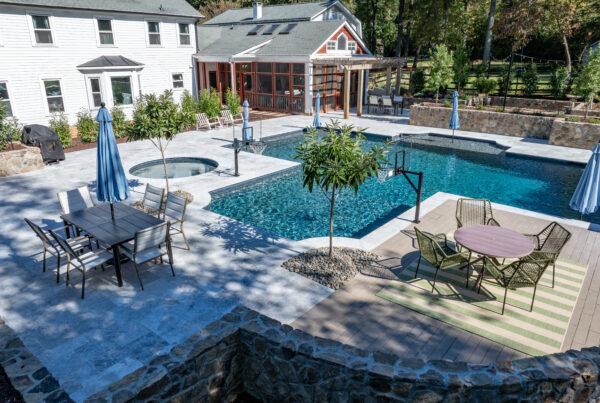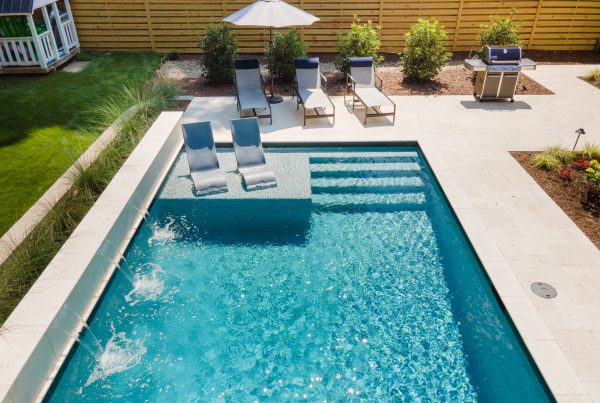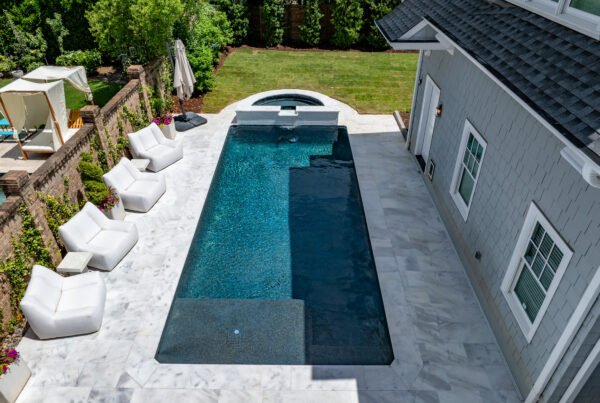
Adding a custom in-ground pool to your home is an exciting investment that transforms your backyard into a personal sanctuary, enhances your daily lifestyle, and increases your long-term property value.
However, building a custom concrete pool is also a major civil engineering project. Navigating soil conditions, drainage requirements, municipal codes, and structural mechanics requires exceptional contractor skill.
While many reputable builders operate throughout the Charlotte region, high demand in the outdoor living sector can also attract contractors who cut corners on structural materials, underquote projects using hidden exclusions, or lack proper licensing.
To protect your financial investment and ensure a smooth construction experience, watch out for these major red flags when evaluating custom pool builders in Charlotte.
1. Lack of a Valid North Carolina General Contractor’s License
In North Carolina, state law strictly mandates that any construction project where the total cost equals or exceeds $30,000 must be managed by a licensed General Contractor. Given that custom in-ground concrete pool builds routinely exceed this threshold, your builder must hold an active license with the North Carolina Licensing Board for General Contractors (NCLBGC).
Why This Is a Red Flag:
Unlicensed contractors often ask homeowners to pull “owner-builder” permits themselves. If a contractor asks you to pull the permit, it usually means they either lack the state credentials to pull it legally or are trying to avoid regulatory oversight.
What to do: Always verify your builder’s license tier (Limited, Intermediate, or Unlimited) and active status directly on the official NCLBGC portal.
2. Inadequate Insurance Coverage or Failure to Provide Certificates
Swimming pool construction requires heavy machinery operating on your lot, deep trenching, and complex electrical and plumbing installations.
Why This Is a Red Flag:
If a contractor cannot provide a current Certificate of Insurance (COI) listing both General Liability and Workers’ Compensation coverage, you are taking on massive personal risk. If an uninsured worker suffers an injury on your property, or if heavy equipment causes structural damage to your house or a neighbor’s property line, you could be held financially responsible under your personal homeowner’s policy.
3. Substandard Structural Engineering Specifications
A concrete (gunite or shotcrete) pool shell relies on a dense steel grid and solid ground preparation to endure seasonal weather cycles. In Charlotte, local clay soil expands and contracts significantly based on ground moisture.
Why This Is a Red Flag:
Builders who cut costs behind the scenes often use thinner #3 rebar spaced widely at 12 inches on center directly over raw clay soil. Over time, ground shifting can cause structural cracking, water leaks, and costly surface failures. Demand a builder who uses heavy #4 rebar spaced tightly at 10 inches on center resting on a dedicated gravel base for maximum structural stability.
4. Unusually Low Bids Filled with Vague Estimates or Exclusions
Receiving a bid that comes in tens of thousands of dollars lower than other local estimates may feel like a bargain, but it frequently signals hidden costs.
Common Exclusions in Low Bids:
- Site Grading & Soil Hauling: Leaving the homeowner responsible for clearing thousands of pounds of excavated red clay.
- Property Drainage Systems: Omitting retaining walls or swales necessary to handle rainwater runoff.
- Permitting & Utility Marking: Leaving local permit fees, NC 811 utility line locates, or municipal review costs off the contract.
- Basic Finishes: Quoting standard plaster or basic tile, while charging heavy line-item upcharges later for pebble finishes, coping, or LED lighting.
A transparent contractor provides a detailed, line-item proposal covering the entire project scope, from excavation to initial chemical startup.
5. Ignoring Local Setbacks, Easements, and Municipal Regulations
Every municipality in the region, including Mecklenburg, Union, and York counties, enforces specific zoning rules, environmental watershed rules, and property line setbacks. Furthermore, North Carolina building codes strictly mandate safety barriers, specifying that residential pool fences must be at least 48 inches tall with self-closing, self-latching gates.
Why This Is a Red Flag:
If a builder measures your yard without referencing a recorded plat map or surveying for utility easements, proceed with extreme caution. Placing a pool shell over a recorded easement or violating county setback restrictions can result in severe municipal fines or legal orders requiring you to relocate or demolish the structure at your own expense.
6. Fragmented Project Scope and Lack of Turnkey Management
Building a luxury pool involves far more than just pouring concrete; it alters your property’s entire landscape ecosystem.
Why This Is a Red Flag:
High-volume pool companies often build the pool shell and simple concrete apron, then walk away, leaving you to independently source, schedule, and manage separate subcontractors for hardscapes, electrical hookups, site drainage, and landscaping. This disjointed approach leads to miscommunication, scheduling delays, and finger-pointing if issues arise.
Choosing a true turnkey design-build contractor ensures a single project manager oversees every trade from initial design to final landscaping.
7. Unclear Warranty Coverage and No Ongoing Service Support
A pool warranty is only as reliable as the company standing behind it.
Why This Is a Red Flag:
Be wary of builders who hand you a stack of manufacturer equipment manuals and leave you to navigate warranty claims alone if a pump fails or a surface degrades. Reputable builders explicitly outline structural, equipment, and finish warranties, and actively help facilitate warranty claims with manufacturers on your behalf.
Conclusion
Building a custom pool should be a rewarding, stress-free investment that adds immense value to your home and lifestyle. By keeping an eye out for these red flags, from unverified state licenses and vague estimates to substandard structural steel, you can easily filter out unreliable contractors.
Partnering with an established, fully licensed local design-build firm ensures transparent communication, heavy-duty structural engineering, and a seamless turnkey transformation that stands the test of time.