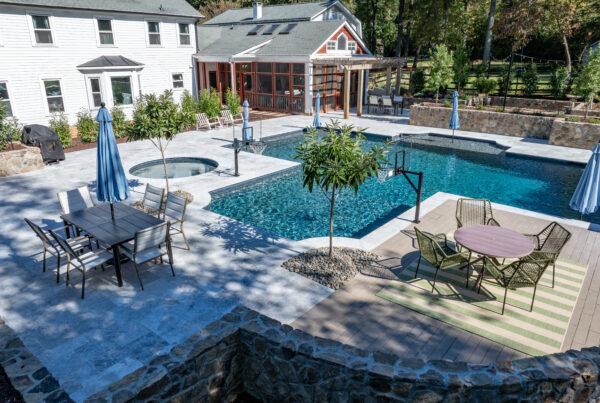
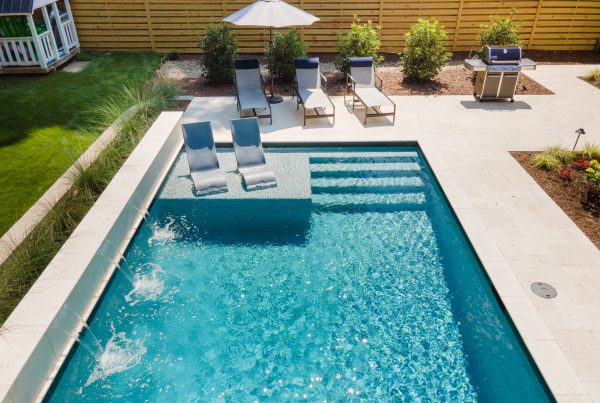
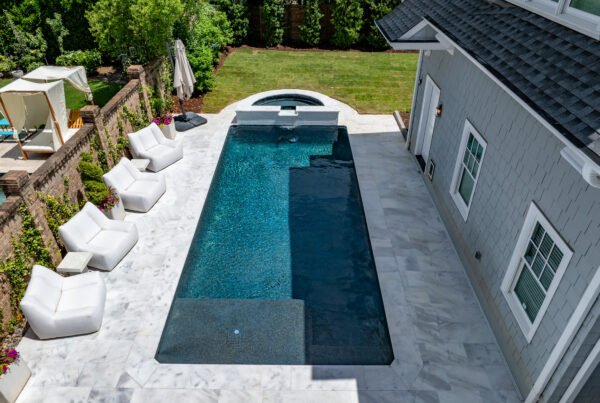
Investing in a custom in-ground pool is one of the most rewarding home improvements a homeowner can make. Beyond raising your property value, a well-designed pool transforms your backyard into a resort-style retreat for family gatherings and outdoor living.
However, building a custom pool is also a complex engineering and construction endeavor. The difference between a stress-free project and months of unexpected costs or structural headaches comes down to the contractor you choose. Before you sign a contract or pay an initial deposit, ask these 7 critical questions to ensure your builder provides the transparency, quality, and long-term protection your home deserves.
1. What Specific Structural Engineering Standards Do You Follow?
Not all concrete pool shells are engineered equally. Soil conditions in regions like the Charlotte Piedmont contain heavy red clay that expands and contracts with moisture variations. A durable pool shell must be built to withstand these physical forces without cracking or shifting.
- Rebar Gauge and Spacing: Ask whether the builder uses standard #3 rebar spaced 12 inches on center or heavy-duty #4 rebar spaced tightly at 10 inches on center.
- Base Stabilization: Inquire if a gravel base is placed beneath the concrete floor to ensure continuous drainage and floor stability.
A contractor who invests in thicker rebar, tighter grid spacing, and proper sub-base prep is building a structural shell designed to last a lifetime, rather than cutting corners to lower baseline pricing.
2. What Is Included in Your Written Estimate, and What Is Excluded?
One of the biggest causes of mid-project friction is a vague estimate filled with hidden exclusions or broad “allowance” line items. A suspiciously low quote often excludes essential construction steps.
Standard Items Your Estimate Should Detail:
- Excavation, soil hauling, and site preparation
- Complete plumbing, electrical hookups, and gas line runs
- Equipment specifications (pumps, filtration systems, heaters, and lighting)
- Interior pool finishes, coping, and surrounding patio square footage
- Permit fees, engineering inspections, and final site cleanup
Always ask for an explicit list of exclusions so you aren’t hit with unexpected change orders for site grading or utility connections halfway through construction.
3. Who Handles Permitting, Zoning, and HOA Approvals?
Navigating local building codes, municipal zoning setbacks, environmental watershed rules, and HOA architectural review boards can be overwhelming for homeowners.
An experienced, full-service pool builder handles the entire permitting package internally. They will submit necessary site plans, manage setback verifications, ensure compliance with pool safety barrier laws, and schedule required county inspections throughout each build phase.
4. What Plumbing and Hydraulic Specifications Are Built into the Base Design?
A pool’s hydraulic design directly impacts your water clarity, energy bills, and equipment longevity. Low-cost estimates often limit plumbing infrastructure to reduce pipe and labor costs.
Ask if the baseline design utilizes single-pump or dual-pump configurations for pool and spa combinations. Furthermore, clarify pipe diameter sizes: standard 2-inch plumbing lines restrict water volume, whereas commercial-grade 2-inch to 2.5-inch plumbing lines allow higher flow rates with lower backpressure. Adequate pump power and wider piping keep your water pristine while reducing overall electrical draw.
5. What Is Your Realistic Construction Timeline, and How Many Active Projects Do You Run?
Construction schedules can easily stall if a builder takes on more concurrent projects than their crews can handle.
- Ask for realistic phase breakdowns: How many weeks are allocated for excavation, structural curing, plumbing, patio installation, and final startup?
- Inquire about capacity: Ask how many active builds the project manager oversees simultaneously. A builder running dozens of concurrent jobs may leave your yard sitting untouched as a construction zone for months. Integrated turnkey builders typically complete pool construction in 8 to 10 weeks, with full outdoor living environments wrapping up in.
6. What Warranties Are Included, and Who Facilitates Warranty Service?
A warranty is only as protective as the company backing it. Swimming pools include multiple coverage layers, so you need clarity on each:
- Structural Shell Warranty: Should offer long-term or lifetime protection against structural failure.
- Equipment Warranty: Covers mechanical failures on pumps, heaters, and filters (typically 3 years through manufacturers like Jandy).
- Interior Finish Warranty: Covers plaster or pebble surfaces against material degradation (often up to 15 years for high-end pebble finishes).
- Workmanship Warranty: Covers plumbing leaks, deck settlement, and installation craftsmanship.
Crucial follow-up question: “If an equipment component fails, will your team manage the warranty claim for me, or am I left to call the manufacturer directly?” A dedicated pool builder actively facilitates claims to get your pool back up and running fast.
7. Does the Contract Include Initial Water Delivery, Chemical Startup, and Homeowner Training?
Once the pool shell is completed and tiled, the work isn’t done. Filling a pool requires tens of thousands of gallons of water, and fresh interior plaster or pebble finishes require precise chemical balancing during the critical 30-day curing window.
Ensure your contract explicitly states whether water truck delivery is included, who performs the initial pool startup, and whether the builder provides hands-on orientation to teach you how to operate your filtration and heating controls.
Conclusion
Building a custom pool should be an exciting journey that enhances your lifestyle and adds value to your property. By asking these 7 critical questions before signing a contract, you protect your financial investment and ensure your chosen contractor delivers transparent communication, superior engineering, and long-term peace of mind.
Take time to evaluate quotes thoroughly, prioritize complete design-build capabilities, and partner with a local builder committed to crafting a backyard oasis that stands the test of time.